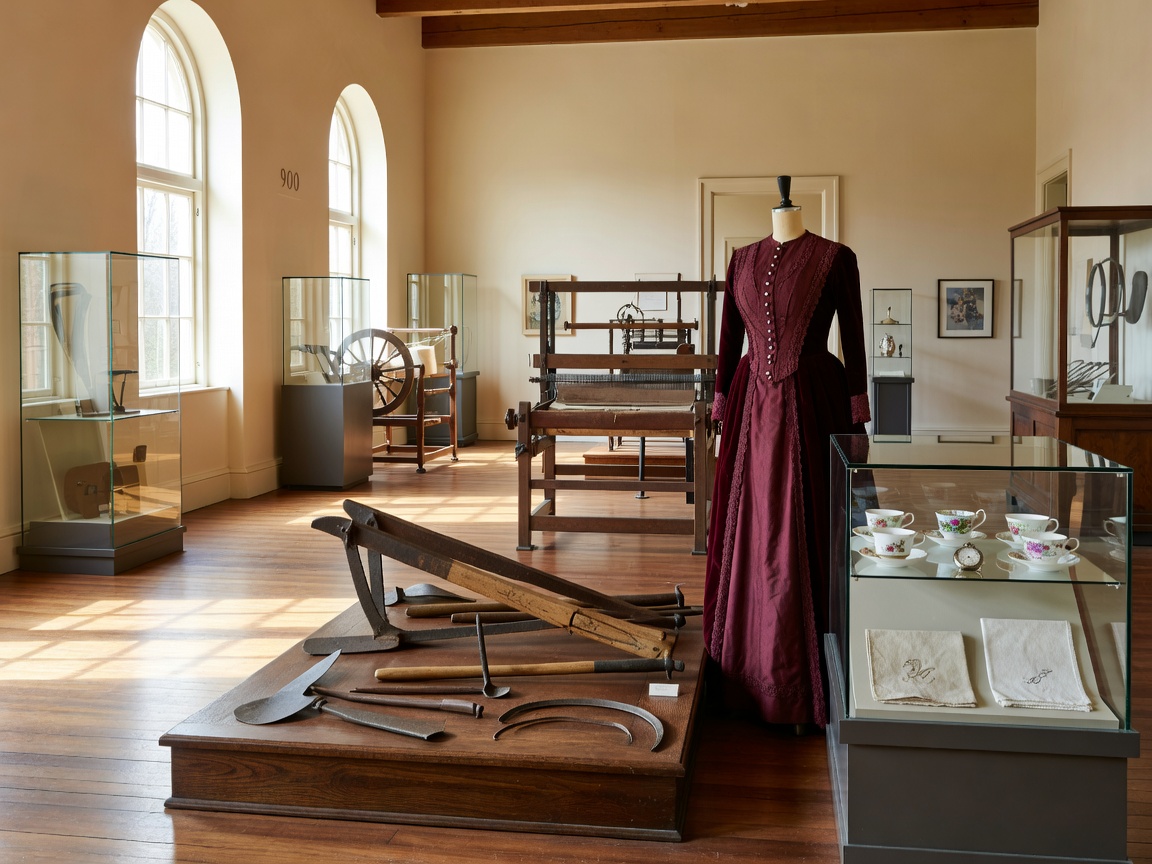
An interactive museum visit does not have to mean constant activity. A useful family experience can combine a few well-chosen objects, clear interpretation and space to pause.
Compare three levels of engagement
Traditional display: Objects and labels lead. This format supports quiet observation and can work well for older children who enjoy detail. Long label sequences may be harder for younger visitors. Look for seating, child-height information or a short route.
Interactive exhibition: Touchscreens, models, audio or practical displays invite visitors to take part. Check whether interaction is optional, easy to understand and suited to the children in your group. A busy interface can be less useful if it creates queues or distracts from the objects.
Hands-on workshop: A facilitated activity may provide a focused learning task. It can also require a set session length, advance planning or age guidance. Do not assume a workshop is running. Confirm current formats, booking conditions and accessibility directly with the venue.
Display-led visit
Flexible pace and direct object viewing. Less active for children who need movement. Keep the route short and choose a few objects to discuss.
Interactive or facilitated
More structured participation. Activity formats and session lengths vary. Check age suitability, sensory demands, group size and whether the activity is available on your date.
Check age suitability and session length
Age guidance can describe reading level, content or practical ability. It does not always reflect a child's interests or attention span. Review the format before committing to a long session. Ask whether children may leave and return, whether an adult must stay with the group and whether the activity uses small tools or materials.
Plan a museum visit in short blocks. One gallery, a break and an optional activity can be more manageable than a full-building checklist. Let children choose an object or display to investigate. Simple prompts work: What is it made from? What might it have been used for? What detail stands out?
Use indoor planning to your advantage
Indoor spaces can reduce exposure to rain, wind and uneven ground. They are not automatically easy for every family. Galleries may have long corridors, low seating, dim light, sound effects or crowded pinch points. Check access information, lifts, toilets, quiet areas and any rules about pushchairs or bags.
Accessibility details can vary by room and activity. Ask about step-free routes, rest seating, hearing or visual information and the practical setup of a workshop. If a child benefits from a predictable plan, review a floor plan or visitor guide before arrival. Confirm temporary closures with the museum.
Choose a family exhibition
Look for short explanations, concrete objects and several ways to engage. A good family format may invite looking, listening, making or comparing without requiring every visitor to do everything. Staff-led demonstrations can add context, but schedules are venue-specific. Verify whether demonstrations run, how long they last and where visitors gather.
- Check the stated age range and reading demands.
- Review activity duration and booking requirements.
- Identify toilets, seating and an easy exit route.
- Plan one main gallery and one optional activity.
Planning criteria
- Choose a visit length that suits your group's attention and energy.
- Match the exhibition format to children's interests.
- Check route access, sensory conditions and family facilities.
- Confirm current activities directly with the venue.
Good for
Heritage museums can suit families who want an indoor option, object-based learning or a shorter visit with clear stopping points. Interactive displays may help children connect ideas to material things. A workshop can work when the session length and format fit the group.
What to know
“Interactive” describes a broad range of formats. It does not guarantee a workshop, child-specific display or open access to objects. Activity schedules, age guidance and facility arrangements change. Verify the current details before travel.
Advantages: shelter, focused interpretation and formats for different learning styles. Limitations: screen fatigue, crowded rooms, fixed activity times and varying access between galleries.
Useful rule: Pick one must-see display. Keep the rest of the visit flexible.