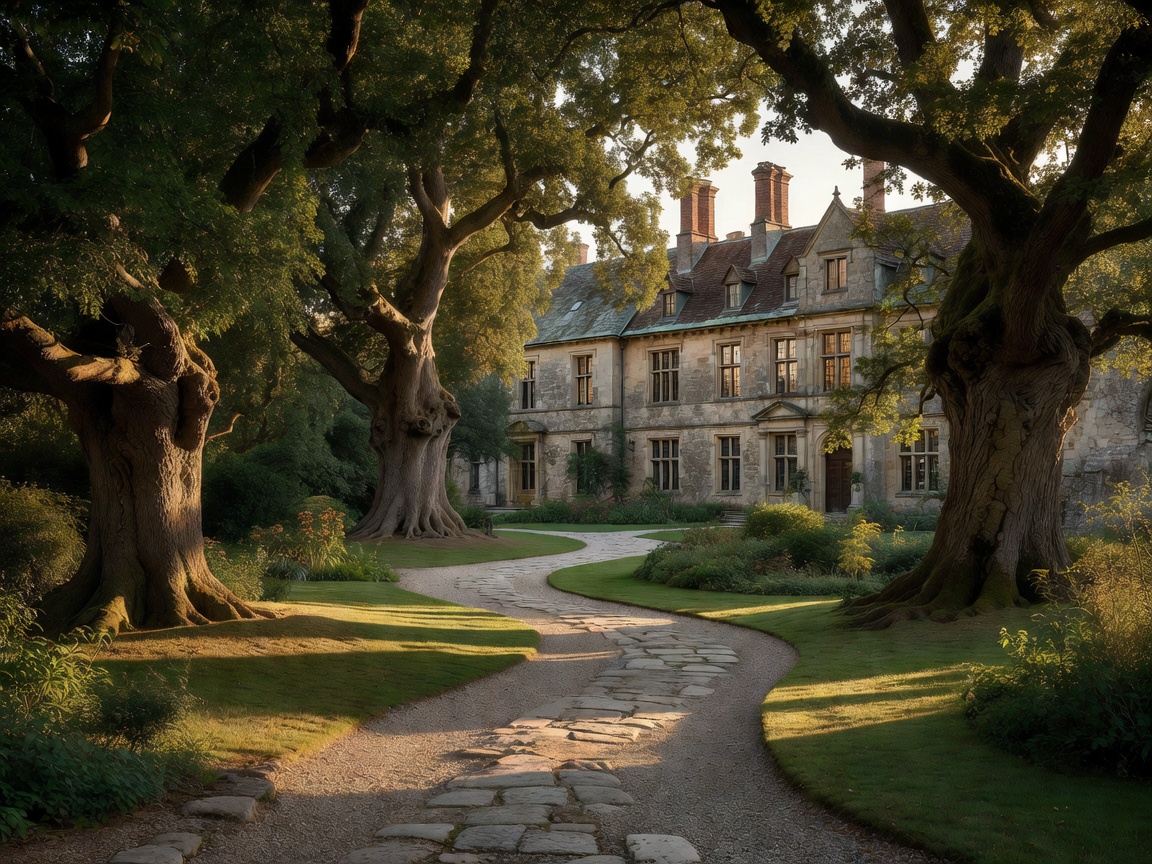
Estate visits can mix interior rooms, gardens, grounds and cultural activity. The useful question is how much of each your family wants, and how far apart those parts are.
House visit or estate-and-garden visit?
A historic house visit is usually more focused on rooms, objects and interior interpretation. It can provide a defined route and shelter from poor weather. Children may need reminders about quiet spaces, barriers and handling rules. Check whether the route is guided, self-directed or divided into timed sections.
An estate-and-garden visit spreads the experience across outdoor paths, planted areas and wider grounds. It gives children room to move and compare designed spaces. It can also mean longer distances, changing surfaces and more exposure to weather. Review a plan before choosing a full circuit.
Historic house visit
More concentrated indoor interpretation and a clearer route. Useful in unsettled weather. Check stairs, room access, crowd flow, pushchair rules and the pace expected inside.
Estate and garden visit
More outdoor space and flexible pauses. Route length and ground conditions matter. Check shade, seating, accessible paths and indoor alternatives if the weather changes.
Choose activities by format
Cultural programs can include craft demonstrations, practical workshops, guided activities or seasonal interpretation. These are possible formats, not promises about any particular estate. Confirm whether activities are offered on your date, who they suit, how long they last and whether they need advance arrangements.
Demonstrations can be easier for mixed ages because children can watch before deciding to take part. Workshops may need sustained attention and hands-on participation. Ask about tools, materials, group size and adult involvement. A family trail can structure a walk, but check its length and whether it follows a route suitable for your group.
Seasonal activity can change the balance between indoors and outdoors. A garden may be most engaging at certain points in the year, while outdoor demonstrations may depend on weather. Do not plan around an assumed schedule. Check the current program with the venue.
Estimate distances and facilities
Estate maps can show the relationship between entrance, house, gardens, toilets and refreshment areas. Use them to estimate walking rather than treating the grounds as one space. Plan a shorter loop and a place to rest. If the house and garden are separate parts of the visit, decide whether your group has time and energy for both.
- Walking: Check total distance, slopes, steps and surface changes.
- Rest: Identify benches, sheltered spots and possible indoor breaks.
- Family needs: Review toilets, baby-care provision and food options directly.
- Weather: Bring layers and consider which areas have shelter.
Access information should be specific. Ask about routes through historic rooms, accessible garden paths, toilet access and distances between facilities. Heritage buildings may have stairs or narrow passages. Grounds may include grass, gravel or steep paths. Do not infer full access from the presence of a visitor entrance.
Make the visit work for children
Use one simple theme across the visit. Compare the house with its grounds, find patterns in a garden layout or notice how materials change between rooms. Keep any activity short enough to leave time for free exploration. Explain handling rules before entering rooms with fragile objects.
Balance quieter interior spaces with outdoor time where possible. If your child needs regular movement, check whether the visit can be split into separate sections. If weather makes the grounds difficult, identify an indoor alternative before arrival. The venue can confirm current facilities and route changes.
Planning criteria
- Decide between house, gardens or a combined visit.
- Estimate route distance and identify rest points.
- Check seasonal activity format and age suitability.
- Confirm indoor alternatives, access and family facilities.
Good for
Estates can suit families who want a mix of built heritage and open space. A house-focused visit may work for a shorter, sheltered outing. Gardens and grounds suit groups who prefer flexible walking and outdoor discovery. A combined visit needs enough time for transitions and breaks.
What to know
Estate layouts vary. Activities, facilities and accessible routes are site-specific and can change. Historic rooms may have handling restrictions. Outdoor areas depend on weather and seasonal conditions. Verify current information directly before travel.
Advantages: multiple visit formats, varied settings and scope for flexible outdoor breaks. Limitations: long distances, changing surfaces, weather exposure and limited access to some historic interiors.
Useful rule: Choose a main focus. Treat the second part of the estate as an optional extension.