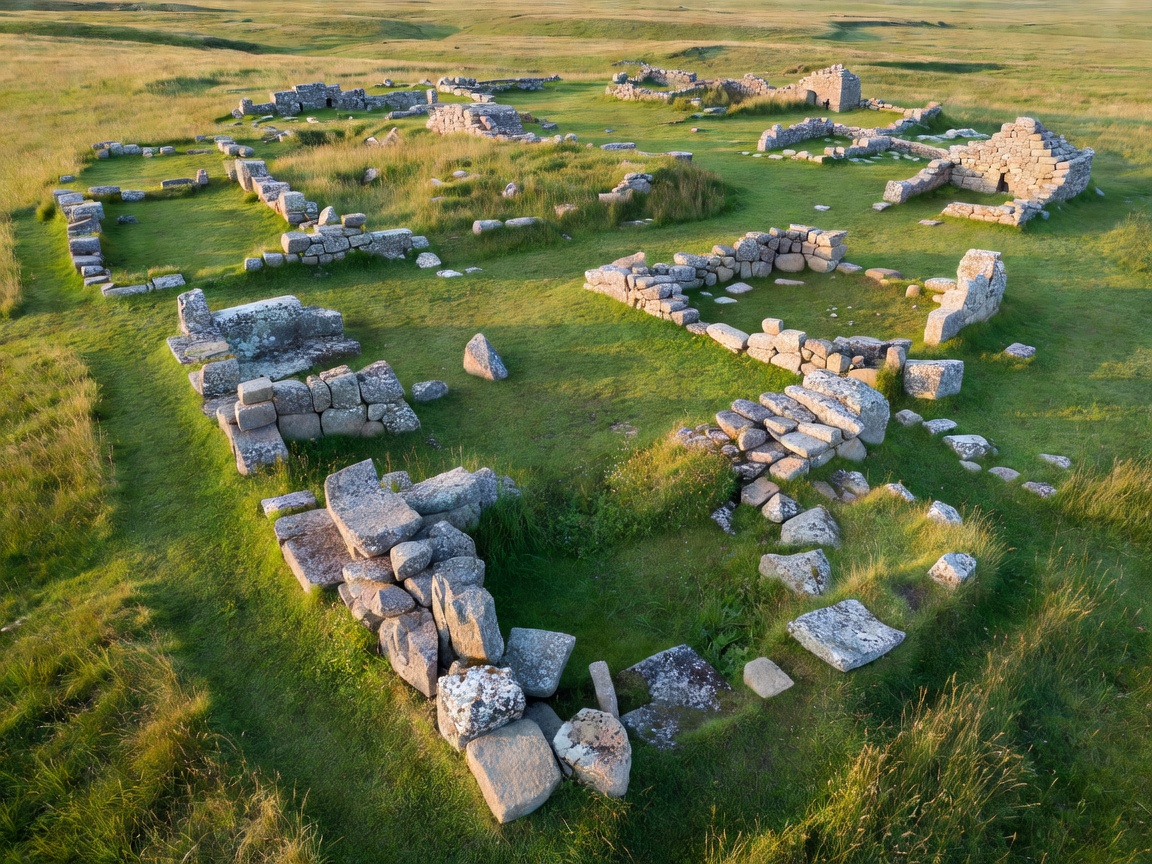
Archaeological sites can help children connect fragments, structures and landscape. The experience depends on what is visible, how it is explained and how much ground the visit covers.
Indoor museum or outdoor site?
An indoor archaeological museum usually offers objects, maps, models and interpretation in a more controlled environment. Routes are often more predictable than open ground, though galleries may involve long corridors, dim rooms or busy spaces. Check step-free access, seating and whether exhibits suit your child's age and interests.
An outdoor archaeological site places remains in their wider setting. Children can see how structures relate to slopes, water, paths or open space. The site may involve longer walks, exposed weather and uneven surfaces. Structures can be low or incomplete, so interpretation panels, models or reconstructed areas may help explain what is visible.
Indoor archaeological museum
More shelter and object-focused displays. Easier to plan around weather. The visit may be less active and depends on gallery design, interpretation and indoor access.
Outdoor archaeological site
More landscape context and open-air exploration. Terrain, shade and route length matter. Remains may need interpretation to make their use clear.
Understand the ground conditions
Read access notes before setting a route. A path described as a walking trail may still include grass, gravel, slopes or steps. Check the distance between the entrance, key interpretation points and rest areas. If details are unclear, contact the site with specific questions about surface, gradient and accessible alternatives.
Weather changes the demands of an outdoor visit. Rain can make paths slippery. Hot conditions increase the need for shade, water and planned breaks. Wind and cold can make exposed areas uncomfortable. Carry suitable clothing and keep a shorter route available.
- Walking: Check route distance and whether there is a loop or return path.
- Terrain: Look for uneven ground, steps, gravel and steep sections.
- Shade: Establish whether the route has sheltered stops.
- Facilities: Check toilets, seating, food options and indoor spaces.
Make interpretation concrete
Excavation interpretation can include site plans, models, diagrams and object displays. These tools can help explain features that are difficult to read from foundations alone. Reconstructed structures may give a more immediate sense of scale, but do not assume that every site has them.
Keep historical explanations tied to information provided by the venue. Ask children to compare a plan with the ground, spot a change in building material or find a feature shown on a panel. Avoid presenting speculation as fact. The site itself may communicate uncertainty about how remains were used or changed.
Children's activities vary. They may be self-guided prompts, family trails or scheduled activities. Check format, age suitability, availability and any extra planning requirements directly. This guide does not identify specific sites or claim current programs.
Plan a manageable route
Choose one central area and a small number of interpretation stops. Build in time for looking, resting and turning back. A map can help children understand where they are and how much remains. Keep an alternative route for tired legs, poor weather or limited daylight.
Access needs differ. Ask about firm paths, gradients, seating intervals, accessible toilets and the distance from parking or public transport. A site can have an accessible entrance but a more demanding route to its main features. Confirm the details that matter to your group.
Planning criteria
- Choose indoor, outdoor or mixed interpretation to match conditions.
- Review route surface, slope, distance and shade.
- Check the site's family learning materials and age guidance.
- Set a turning point and a weather alternative.
Good for
Outdoor archaeology can suit curious walkers who like open landscapes and visual clues. Indoor interpretation can suit families seeking a more contained visit or a weather-conscious option. A combined format can help children connect objects with place.
What to know
Ruins do not always explain themselves. Interpretation and route planning matter. Access conditions vary across outdoor areas, and weather can change quickly. Do not assume excavation details, reconstructions or children's activities are available. Confirm current information with the site operator.
Advantages: landscape context, visible material evidence and opportunities to compare plans with remains. Limitations: uneven terrain, exposure and the need for interpretation when structures are fragmentary.
Useful rule: Make the route short enough to leave time for careful looking.