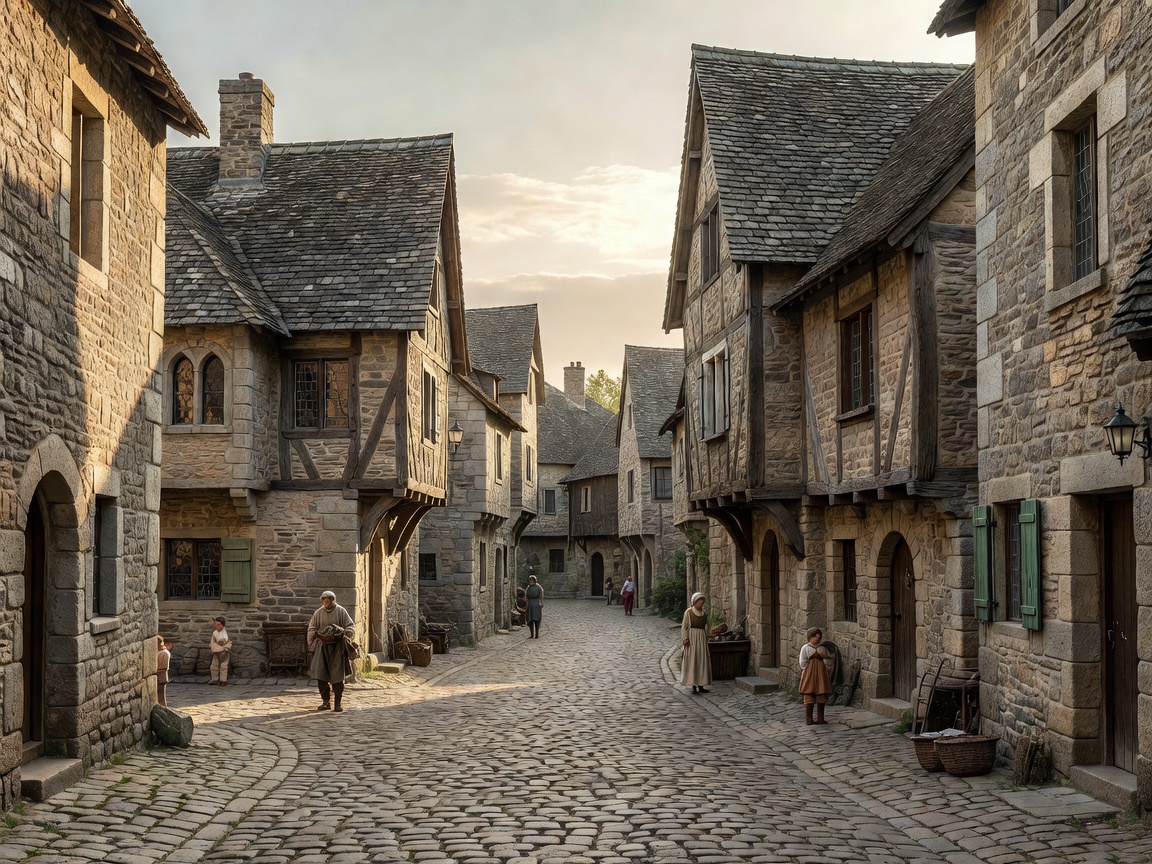
A historic town can be a flexible outdoor museum. Streets, squares and landmarks provide the content. Your route, pace and stops determine whether the outing feels manageable.
Build a short route
Start with one area rather than trying to cover a whole historic district. Choose a starting point, two or three landmarks and a clear place to pause. Use public maps or a town plan to estimate distance. Allow extra time for crossings, crowds, photographs and children stopping to look.
A short walk can focus on architectural details. Compare doorways, windows, rooflines or building materials. Let children find repeated shapes or spot a change in street width. Keep the activity simple. It should fit the walk, not turn every stop into a lesson.
Historic squares can work as natural rest points. Look for seating, shade, toilets and places to get food. Availability differs by location and season. Confirm local facilities when they matter to your plan. Avoid assuming that a central square will be quiet or fully pedestrianised.
Short walk or full-day district?
Short town walk
One compact area and a few stops. Easier to adjust for younger walkers or limited time. You may see fewer landmarks, but the visit can leave room for rest and spontaneous exploration.
Full-day exploration
More scope for museums, neighbourhoods and longer routes. It needs stronger planning for meals, transport and energy. Split the day into sections and keep a simple return plan.
Check surfaces, transport and strollers
Older streets can include cobbles, steep sections, narrow pavements, steps and uneven paving. Stroller suitability varies from block to block. Check whether there is an alternative route with smoother surfaces. If mobility needs are specific, ask a local information service or venue about the route details rather than assuming access from a map.
Decide how you will reach the walking area. Public transport, a drop-off point or parking may change the start and finish. Check distance between transport stops and the route. Consider a return option if children become tired. Keep navigation simple with a printed map or downloaded directions in addition to a phone.
- Route length: Set a maximum distance and an early turning point.
- Navigation: Use a few landmarks rather than a dense itinerary.
- Rest: Plan a stop before the group needs one.
- Weather: Carry layers and identify an indoor pause if practical.
Make landmarks useful
Choose landmarks that are easy to find and visually distinct. A tower, gate, bridge or public building can act as a route anchor. Do not build the day around an assumed opening time or event. Check current access details directly when you plan to enter a particular historic building.
Architecture spotting needs no special equipment. Ask children to find a carved detail, compare two façades or notice how a street bends. Use a town plan to show how the route connects. Keep explanations factual and brief. Avoid inventing building histories when information is not available.
Plan around busy streets
Historic centres may share space with local traffic, deliveries or bicycles. Use crossings and keep younger children close in narrow lanes. Crowds can affect walking pace and make meeting points harder to use. Agree on a simple regrouping point and keep the route easy to shorten.
Weather and seasonal conditions affect comfort. Heat can make stone streets feel exposed; rain may make polished paving slippery. Check forecast conditions, plan water and select shaded or indoor pauses where possible. This guide does not provide current route, event or opening-hour information.
Planning criteria
- Pick a compact start area and set a realistic route length.
- Check paving, slopes and stroller needs.
- Choose clear landmarks and practical rest points.
- Plan transport and a shorter return option.
Good for
Historic towns suit families who want an open-ended visit with visible architecture and flexible stops. A short walk can fit around other plans. A longer exploration works better when your group is comfortable with walking and has time for breaks.
What to know
Historic streets are working public spaces, not controlled visitor routes. Conditions, pedestrian access and facilities vary. Check current transport and building access details. Keep your plan adaptable and avoid assuming a map shows surface quality or crowd levels.
Advantages: flexible pacing, free-form architecture spotting and multiple options for a short visit. Limitations: uneven paving, traffic, crowds, weather exposure and variable stroller access.
Useful rule: Plan a route with one landmark fewer than you think you can fit.